
The growing problem
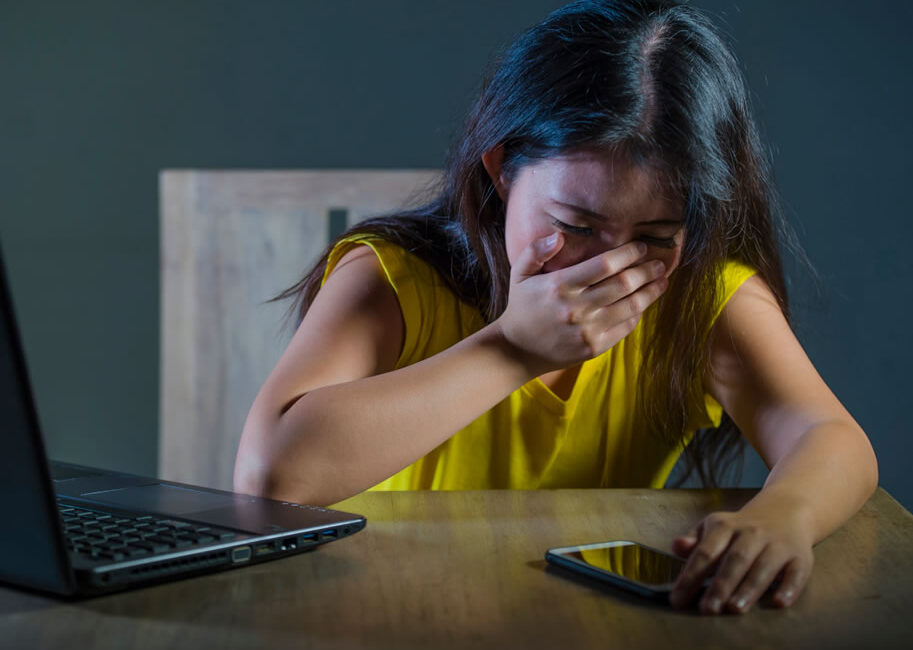
Cyberbullying has become a serious concern for young people today. With social media and messaging apps available around the clock, online cruelty can happen anywhere, even in the safety of one’s home.
Just recently, a heartbreaking case made headlines when a teenage girl took her own life after private photos of her were shared online. Her death deeply shook the community and reminded everyone how serious and damaging online bullying can be. Sadly, this isn’t an isolated incident. Many young people, especially those from vulnerable groups, experience online harassment that leaves lasting emotional scars. It’s clear that cyberbullying is not “just a joke” but a serious issue that can destroy lives.
What is cyberbullying
Cyberbullying happens when someone uses technology such as phones, computers, or the internet to repeatedly hurt, threaten, or humiliate another person. It can include:
- Sending mean or threatening messages
- Spreading false rumors
- Sharing private photos or videos without consent
- Creating fake profiles to mock or impersonate someone
Unlike face-to-face bullying, it can happen anytime and reach a large audience instantly. The damage can last long after the posts are made, especially if the content continues to circulate online.
Why it’s serious
Cyberbullying can cause deep emotional pain. Victims often feel helpless, embarrassed, or scared. Because it usually happens in private spaces, many children hide their experiences out of fear or shame. Parents and caregivers play a key role in spotting early signs and stepping in before things get worse.
Signs your child might be a victim
Look out for sudden changes in your child’s behavior or mood, such as:
- Feeling upset or anxious after being online
- Avoiding friends or social activities
- Drop in grades or loss of interest in hobbies
- Problems with sleep, appetite, or constant tiredness
- Physical complaints like headaches or stomach aches
- Being secretive about phone or internet use
These signs don’t always mean your child is being bullied, but if several appear at once, it’s worth talking to them gently about what’s going on.
Signs your child might be the bully
It’s uncomfortable to think about, but some children may be involved in bullying others online. Warning signs include:
- Having secret or multiple social media accounts
- Getting defensive when asked about online activity
- Quickly closing screens when someone walks in
- Spending long hours online, especially late at night
- Showing unkindness or insensitivity toward others
If you suspect this behavior, talk to your child calmly. Ask questions, listen carefully, and explain how harmful online actions can be. Early guidance can prevent things from getting worse.
What to do if your child is being bullied
- Stay calm and listen. Reassure your child that they’re not to blame and that you’re here to help.
- Don’t retaliate. Encourage them not to respond or fight back online.
- Save the evidence. Take screenshots or photos of any messages or posts.
- Report it. Use the report or block features on the app or platform where it’s happening.
- Inform the school. Teachers can help if classmates are involved.
- Offer emotional support. Keep an eye on your child’s mental health and consider professional help if they show signs of distress or depression.
What to do if your child is the bully
- Talk openly. Explain what you’ve learned and listen to their side calmly.
- Explain the impact. Help them understand how hurtful their actions can be.
- Set boundaries. Limit or monitor their online activity until behavior improves.
- Encourage accountability. Have them apologize if appropriate and make positive changes.
- Look for deeper causes. Some kids lash out because they feel angry, stressed, or insecure.
- Be a good role model. Show empathy and respect at home — kids mirror what they see.
How to prevent cyberbullying
- Talk often. Keep communication open about your child’s online life.
- Set clear rules. Agree on screen time and what’s appropriate to share or post.
- Teach privacy. Encourage them to keep accounts private and block strangers.
- Promote kindness. Remind them that words have real impact.
- Stay informed. Learn about new apps and social media platforms so you can guide them better.
Children who feel safe talking to their parents are far more likely to come forward if something goes wrong online.
Conclusion
The recent tragedy of the teenage girl who ended her life after being humiliated online is a painful reminder of what’s at stake. Cyberbullying can break a child’s spirit, but it can also be prevented. By staying alert, communicating openly, and taking action early, parents can protect their children and help them recover from harm. Together, families and communities can teach young people to use technology with empathy and care, making the online world a safer place for everyone.
Disclaimer
This article is for general information and awareness purposes only. It is not a substitute for professional legal, psychological, or medical advice. If you or someone you know is struggling with online abuse or emotional distress, please seek help from a qualified professional or contact a local support service immediately.

